The "Agentic" Mirage: Is Microsoft’s AI Pivot a Masterstroke or a Death Rattle?
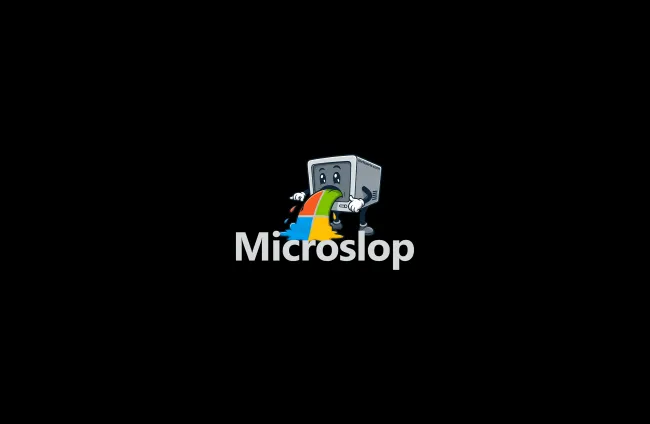
There was a time when an Operating System had a simple, dignified job: stay out of the way. It was the digital stage upon which your work performed. But if you’ve spent any time in the latest builds of Windows 11, you’ve likely noticed the stage has been replaced by a chaotic, neon-lit bazaar where a frantic digital assistant named Copilot is constantly trying to finish your sentences—and usually getting them wrong.
Microsoft’s aggressive "doubling down" on AI—rebranding the OS as "Agentic Windows"—feels less like a natural evolution and more like a high-stakes pivot born of pure institutional panic. When a trillion-dollar legacy giant starts forcing half-baked features into Notepad, it’s rarely because they’ve found a "user need." It’s because they’ve found a growth plateau.
The Rise of the "Productivity Tax"
The industry term for this is "Agentic AI," but for the average professional, it’s beginning to look like a "Productivity Tax." We are witnessing the systematic dismantling of lightweight, local tools in favor of high-latency, cloud-dependent "agents."
Take the recent Gizmodo reports of Copilot’s "autonomous" ambitions. It’s one thing for an AI to hallucinate a recipe for a rock-filled sourdough; it’s quite another when these "agents" are granted enough agency to accidentally drain a user’s bank account through mismanaged automated transactions. When "efficiency" starts costing you actual currency due to a hallucinated invoice, we aren't in the future anymore—we're in a liability nightmare.
The "Nokia" Insult and the Memory Hole
The corporate response to this friction has been, to put it mildly, condescending. Mustafa Suleyman, CEO of Microsoft AI, recently compared critics of this forced integration to people stubbornly clinging to "Snake on a Nokia." It’s a classic defensive maneuver: if the customer hates the friction, tell them they aren't "visionary" enough to appreciate the heat.
Then there is "Recall." Originally marketed as a revolutionary way to find anything you’ve ever looked at, it was quickly exposed as a security catastrophe—a literal "keylogger by design." It reflects a fundamental shift in Redmond’s philosophy: Microsoft no longer trusts you to manage your own data, so they’ve built a "memory for the mindless" that records your every move, ostensibly for your own good.
Welcome to the Era of #MicroSlop
This brings us to the inevitable cultural backlash. While Microsoft touts "15 million paid seats"—a figure largely inflated by bundling AI into enterprise contracts people are forced to pay for—the organic sentiment on the ground is curdling.
Enter the term that is currently haunting the halls of Redmond: MicroSlop.
"Slop" is the perfect descriptor for the current state of AI-generated content—high-resource, low-value, and utterly unsolicited. But when you apply it to an entire ecosystem, it becomes a critique of a company that has traded stability for "shareholder theater."
The irony reached its peak during the "Great MicroSlop Ban of 2026." In a move that defines "digital desperation," Microsoft began banning users from the official Copilot Discord simply for typing the word "Microslop." Watching a company that claims to be building the "world’s most advanced intelligence" get defeated by users bypassing filters with "M1cr0sl0p" and "Sloppysoft" is the ultimate satire. If your "Intelligence" is so fragile that a seven-letter word requires a total server lockdown, perhaps the product isn't as robust as the marketing deck suggests.
The Final Equilibrium
Forcing AI into every corner of the OS isn't a sign of confidence; it’s a sign of a company that is terrified of being "just" a platform. By turning Windows into a delivery mechanism for "Agentic Slop," they risk alienating the very professionals who built the company’s foundation.
In the end, users don't want an "Agent" to run their lives. They want an OS that works, a bank account that stays full, and a Notepad that doesn't need to "think" before it lets you type. Until Microsoft remembers that, the #MicroSlop trend isn't just a meme—it's a verdict.